
Adventure
15 Essential Packing Tips for Your Next Mountain Trip
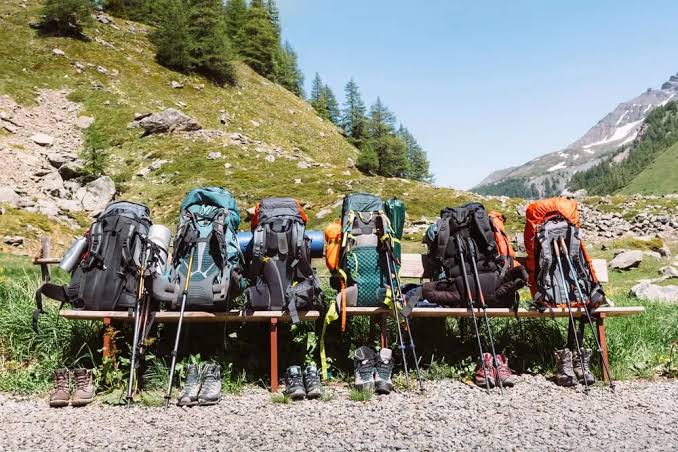
From layering strategy to the one item most travelers forget, here are 15 practical packing tips for any mountain or hill-station trip.
Mountain weather doesn’t follow the forecast on your phone. A sunny morning in the hills can turn into a cold, wet afternoon within an hour, and a poorly packed bag is usually the reason a good trip turns miserable. These 15 tips cover what actually matters, based on the mistakes most first-time mountain travelers make.
1. Pack in layers, not bulk
Skip the single heavy jacket. A moisture-wicking base layer, an insulating mid-layer (fleece or light down), and a waterproof/windproof outer shell will handle a far wider temperature range than one thick coat — and pack down smaller too.
2. Break in your footwear before you leave
New boots and multi-day walking don’t mix. Wear your trekking shoes for at least a week of regular walking before the trip to avoid blisters on day one.
3. Always pack a rain layer, even in “dry” season
Mountain weather changes fast regardless of the season. A lightweight, packable rain shell takes up almost no space and saves entire trips.
[Image: Traveler in rain jacket on misty mountain trail — suggested search: “traveler rain jacket misty mountain trail”]
4. Bring a headlamp, not just a phone flashlight
Power banks run out and phone torches drain batteries fast. A small headlamp is lighter, hands-free, and far more reliable after dark.
5. Pack a physical map or download offline maps
Network coverage disappears fast once you’re off the highway. Download offline Google Maps or carry a physical map of the region.
6. Carry more cash than you think you’ll need
ATMs thin out quickly past the main towns, and many homestays and local shops don’t accept cards or UPI reliably.
7. A reusable water bottle plus purification tablets
Reduces plastic waste and gives you a backup water source on longer travel days between towns.
8. Don’t skip sun protection
High altitude means stronger UV exposure, even in cold weather. Sunscreen, sunglasses, and a hat are as important in the mountains as at the beach.
9. Pack a basic first-aid kit
Blister plasters, any personal medication, altitude sickness tablets (if advised by a doctor), and basic pain relief cover most common mountain-trip issues.
10. Dress in quick-dry fabrics, not cotton
Cotton stays wet and cold once damp. Synthetic or merino wool layers dry faster and keep you warmer.
[Image: Quick-dry hiking clothing and merino wool layers — suggested search: “quick dry hiking clothes merino layers”]
11. Bring a power bank — a real one
Cold weather drains batteries faster, and charging points are scarce beyond main towns. A 10,000mAh+ power bank is worth the extra weight.
12. Pack a compact daypack for local excursions
You won’t want to carry your full backpack on short local walks or day trips from your base — a foldable daypack solves this without extra bulk.
13. Don’t forget lip balm and moisturizer
Cold, dry mountain air cracks skin fast, especially at altitude. A small tin of lip balm and heavy moisturizer prevents a genuinely uncomfortable trip.
14. Keep valuables and documents in a waterproof pouch
A single unexpected downpour can ruin ID cards, cash, and electronics. A cheap waterproof pouch is one of the least expensive, most useful items you can pack.
15. Leave room in your bag
Don’t pack to the zipper’s limit. You’ll want space for local purchases, an extra layer if the weather turns colder than expected, or gear a guide recommends once you arrive.
[Image: Neatly packed backpack ready for a mountain trip — suggested search: “packed backpack ready mountain trip”]
The one thing most people forget
Ask any experienced mountain traveler and they’ll tell you the same thing: a second pair of dry socks. Wet feet ruin more mountain days than almost anything else on this list — pack an extra pair and thank yourself later.
Good mountain packing isn’t about bringing more — it’s about bringing the right layers, backup essentials, and a little room to adapt once you’re actually there.