
Adventure
A Complete First-Timer’s Guide to Trekking in Himachal Pradesh
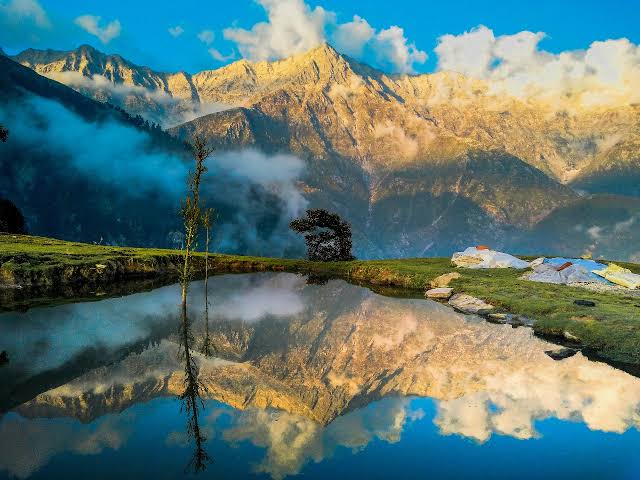
New to Himalayan trekking? This beginner’s guide covers the best first treks in Himachal Pradesh, what to pack, permits, and how to prepare physically.
Himachal Pradesh is one of the most forgiving places in the world to try your first Himalayan trek. Unlike the high-altitude, multi-week routes in Ladakh or Nepal, Himachal has a wide range of short, well-marked trails that ease you into mountain walking without demanding technical experience or weeks of leave.
Here’s everything a first-timer needs to know before lacing up.
Start with the right trek
Not all Himalayan treks are created equal. If this is your first, pick a trail under 4 days with a maximum altitude below 4,500 m.
- Triund Trek (Dharamshala): A 9 km, single-day-capable trek with a dramatic ridge-top campsite facing the Dhauladhar range. The most popular beginner trek in India for good reason.
- Kheerganga Trek (Parvati Valley): A moderate 12 km trek ending at a natural hot spring — a rewarding first overnight trek.
- Jalori Pass to Serolsar Lake: A gentle half-day walk through oak forest to a quiet alpine lake, ideal if you want scenery without exertion.
[Image: Triund campsite at sunset with Dhauladhar range — suggested search: “Triund trek sunset Dhauladhar”]
How to prepare physically
You don’t need to be an athlete, but you do need baseline stamina. Two to three weeks out:
- Build up to 5-6 km of brisk walking or jogging, 3-4 times a week.
- Practice stair climbing with a loaded backpack to simulate ascent.
- Break in your trekking shoes well before the trip — new boots and long trails are a bad combination.
What to pack
- Layers, not one heavy jacket. Mountain weather swings fast; a base layer, fleece, and a windproof/waterproof shell handle most conditions.
- A proper pair of trekking shoes with ankle support, not sneakers.
- A 30-40L backpack with a rain cover.
- Basic first-aid kit, including blister plasters and any personal medication.
- A reusable water bottle and water purification tablets if you’re not going with an organized group.
- Power bank, since charging points disappear once you leave the roadhead.
Permits and guides
Most treks in Himachal below 4,500 m don’t require special permits, but a few (near the Pin Valley or Great Himalayan National Park core zone) do. Always check locally before you go, and for your first trek, hire a local guide — it’s inexpensive, supports the local economy, and dramatically reduces the risk of getting lost or caught out by weather.
Altitude and acclimatization
Even Himachal’s “easy” treks can climb past 3,000 m. Go slow on the first day, stay hydrated, and if you notice a persistent headache, nausea, or dizziness, descend rather than push through — altitude sickness doesn’t care how fit you are.
[Image: Trekker filling water bottle at a mountain stream — suggested search: “trekker mountain stream Himalaya hydration”]
Best time to trek in Himachal Pradesh
- March-June: Warmer, clearer trails, ideal for beginners.
- September-November: Post-monsoon, crisp visibility, fewer crowds.
- Avoid July-August unless the trek is specifically monsoon-friendly — landslides and leeches are common on lower trails.
Your first Himalayan trek doesn’t need to be dramatic to be unforgettable. Start small, go with someone who knows the trail, and the mountains will do the rest.